
Packaging for private label laundry detergent: jug, bottle or pouch? Choose by sales channel and shipping
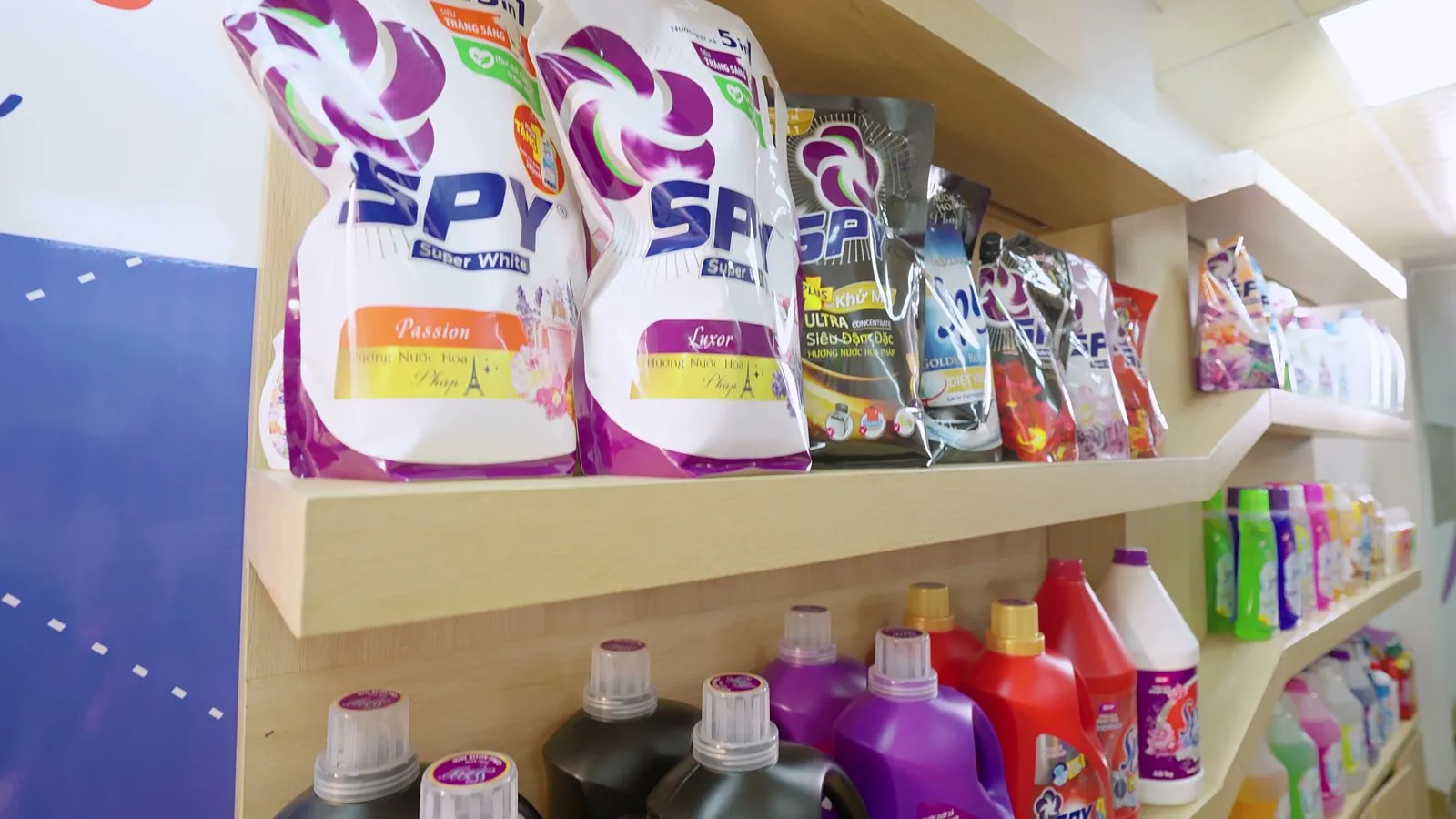
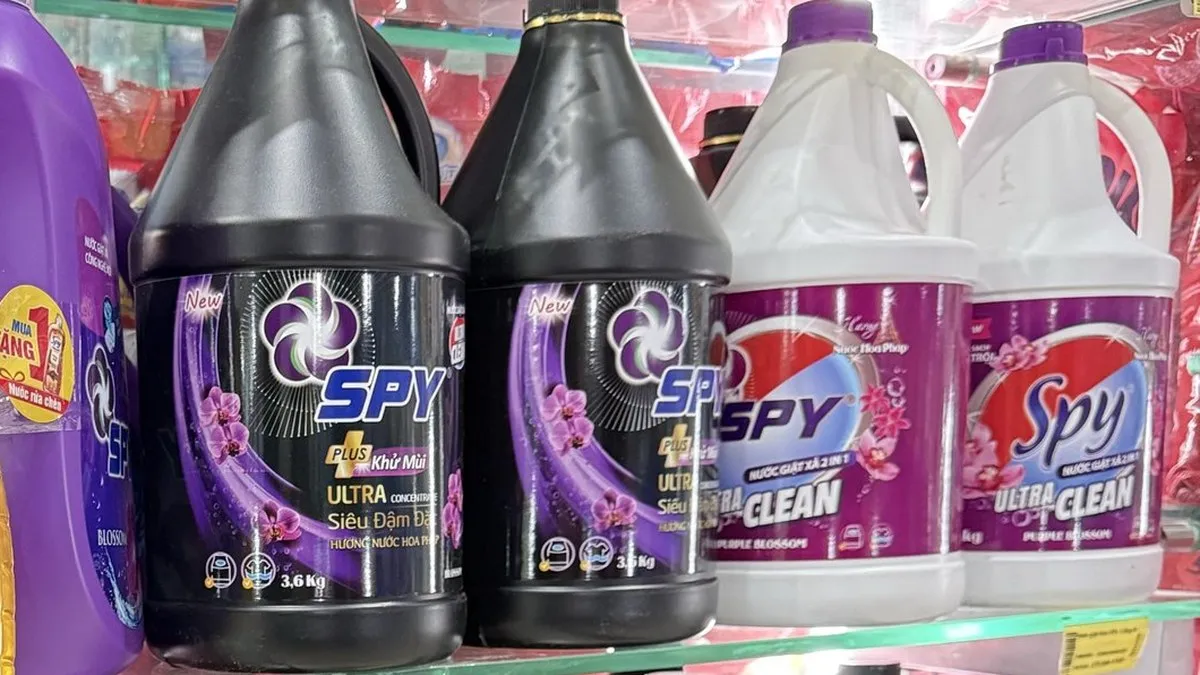
Quick answer: large jugs (3.6 kg, 5.2 kg and up) suit online sales and heavy users; spouted pouches are light, compact and cheap to ship, ideal for refills; small bottles suit supermarkets, convenience stores and trial sizes. For a first batch, pick 1–2 pack sizes that match your main channel and use stock bottles and jugs.
Three common formats
| Jug | Spouted pouch | Bottle | |
|---|---|---|---|
| Typical sizes | 3–10 kg (litres) | 1–3.6 kg | 0.5–2 kg |
| Suits | Online, distributors, heavy users | Online, refill buyers | Supermarkets, grocery stores, trials |
| Strengths | Sturdy, lasts long, easy to brand | Light, compact, less plastic | Easy to hold and display |
| Watch out for | Heavy and bulky to ship | Needs a strong spout and seals | Higher packaging cost per litre |
Online: favour large jugs and prevent leaks
According to Komlife’s 2026 online order data, around 9 in 10 units of laundry detergent sold were jugs or pouches of 3 kg or more. Online orders are delivered to the door, so buyers don’t mind large jugs.
The most important thing online is no leaks in transit:
- Jugs and bottles should have an induction seal under the cap and a tight screw cap.
- Pouches need strong seals and a spout with a screw cap.
- Add a plastic bag or wrap, and pack tightly in the carton.
- Send a few test orders through your courier before selling in volume.
Supermarkets and grocery stores: bottles and mid-size jugs
Supermarket shelves need products that stand firmly and show the name and purpose clearly from a distance. Bottles and jugs with handles line up neatly. Many chains also have their own requirements for barcodes, carton specs and labelling. See getting private label detergent into supermarkets: what to prepare.
Stock moulds or custom moulds?
- Stock bottles and jugs: much cheaper and faster, with lower minimums. Stand out through cap colour, plastic colour and labels.
- Custom moulds: strong brand recognition but need mould costs and large volumes. Worth it once your brand sells steadily.
For a first batch, use stock moulds and keep your capital for sales.
Labels and printing
- Stick-on labels: flexible and easy to change, good for small runs.
- Shrink sleeves: cover the whole bottle and look premium, but need larger volumes.
- Printed pouches: spouted pouches are usually printed all over.
Each method has its own minimum order quantity, often the biggest cash tie-up in packaging stock. Labels must include all mandatory information; review label content with the factory before printing.
At Komlife
Komlife’s factory fills a range of formats: small family bottles, 3–3.6 kg pouches, and jugs from 5.2 kg up to 9 litres. Our sales team can advise on formats that suit your channel when you send us your request.
Read more: OEM vs ODM: what’s the difference? · What does it cost to launch a private label laundry detergent?
Reviewed by: Vu Hoang Nam, Head of Marketing
← More company news