
Build your own laundry detergent workshop or use a contract manufacturer? Capital, paperwork and time compared
Anyone who wants their own laundry detergent brand faces two options: set up their own production workshop or hire a contract manufacturer (OEM/ODM). This article compares the two on capital, paperwork and time so you can choose.
Quick comparison
| Own workshop | Contract manufacturing | |
|---|---|---|
| Upfront capital | Premises, mixing and filling machines, warehouse, testing room, staff | Mainly the first order of goods and packaging |
| Paperwork | You handle all production requirements yourself | The factory already meets production requirements; you handle the brand and product documents |
| Time to market | Long: building, installing machines, trial runs, stabilising the formula | Faster: choose a formula, make samples, finalise packaging, then produce |
| Formula | Develop or buy your own | Use an existing formula or commission a custom one |
| Control | Full control | Control through the contract, retained samples and batch records |
| Suits | Large, stable volumes and long-term commitment to manufacturing | New brands testing the market, teams focused on selling |
What does your own workshop require?
- Premises and warehouse large enough for raw materials, mixing, filling and finished goods.
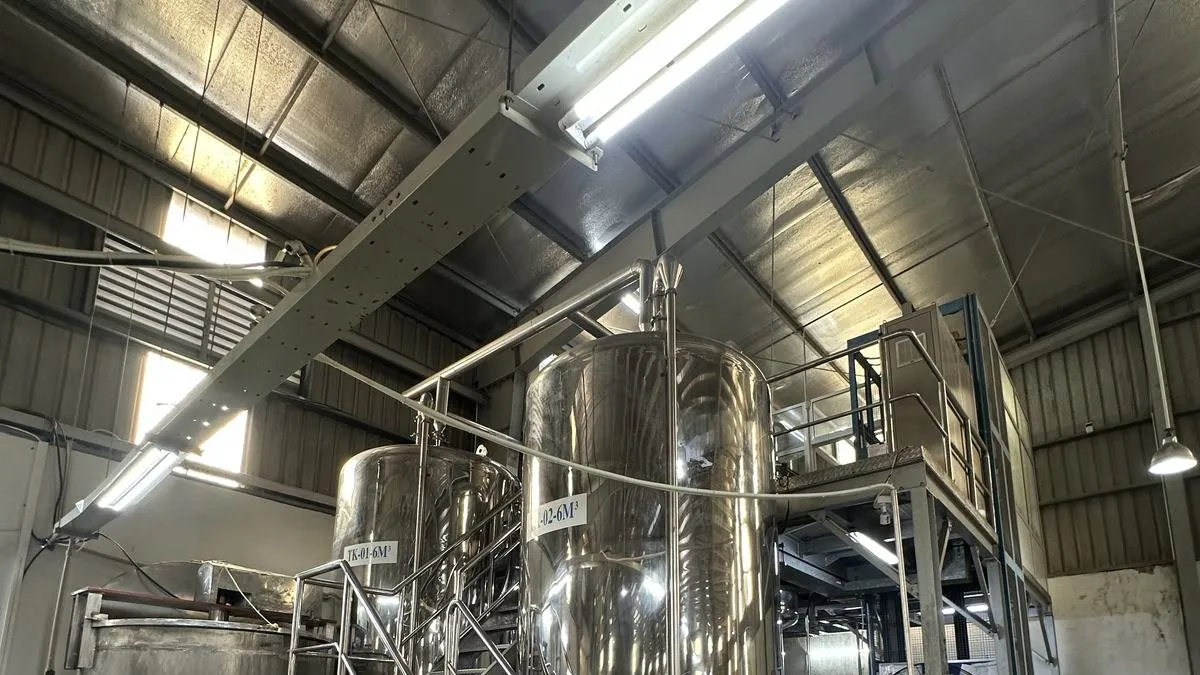
- Machinery: mixing tanks, stirrers, filling, capping and labelling machines.
- A quality control room to check basic parameters of each batch.
- Wastewater treatment and fire safety.
- Staff: mixing operators, technicians, quality control, warehouse.
- Working capital for raw materials, packaging and stock.
Total investment depends heavily on scale, automation and location, so each case needs its own budget.
Typical paperwork when producing yourself
Below are the typical groups of tasks. Specific regulations change over time and depend on product ingredients, so check with local authorities or a legal adviser before investing:
- Business registration covering the right manufacturing activities.
- Checking whether raw materials fall under chemicals that require conditions for production and trading.
- Environmental and fire safety requirements for the premises.
- Product quality standards (company standards) and compliant product labels.
With contract manufacturing, production requirements are met by the factory; you and the factory agree the product documents needed at the packaging and paperwork stage.
When contract manufacturing makes sense
- You’re building a new brand and want to launch quickly to test the market.
- You’re stronger at selling (e-commerce, dealers, hotels) than at producing.
- Volumes are not yet large and steady enough to keep a workshop running.
- You want several product lines (laundry liquid, fabric softener, dishwashing liquid, floor cleaner) without buying machines for each.
When your own workshop makes sense
- Volumes have been large and steady for a long time.
- You have a technical team and want to own the formula and process.
- You plan a long-term investment in manufacturing.
Many businesses follow a path: contract manufacture first to build the brand and sales channels, then consider their own workshop once volumes are stable.
Contract manufacturing at Komlife
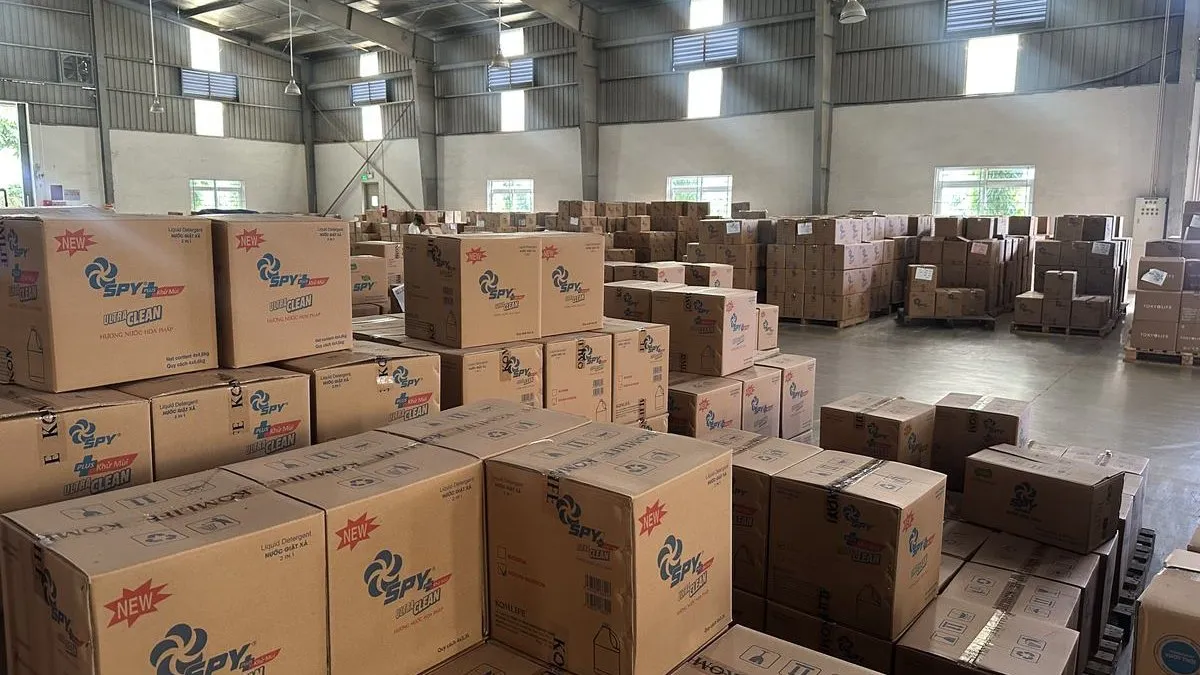
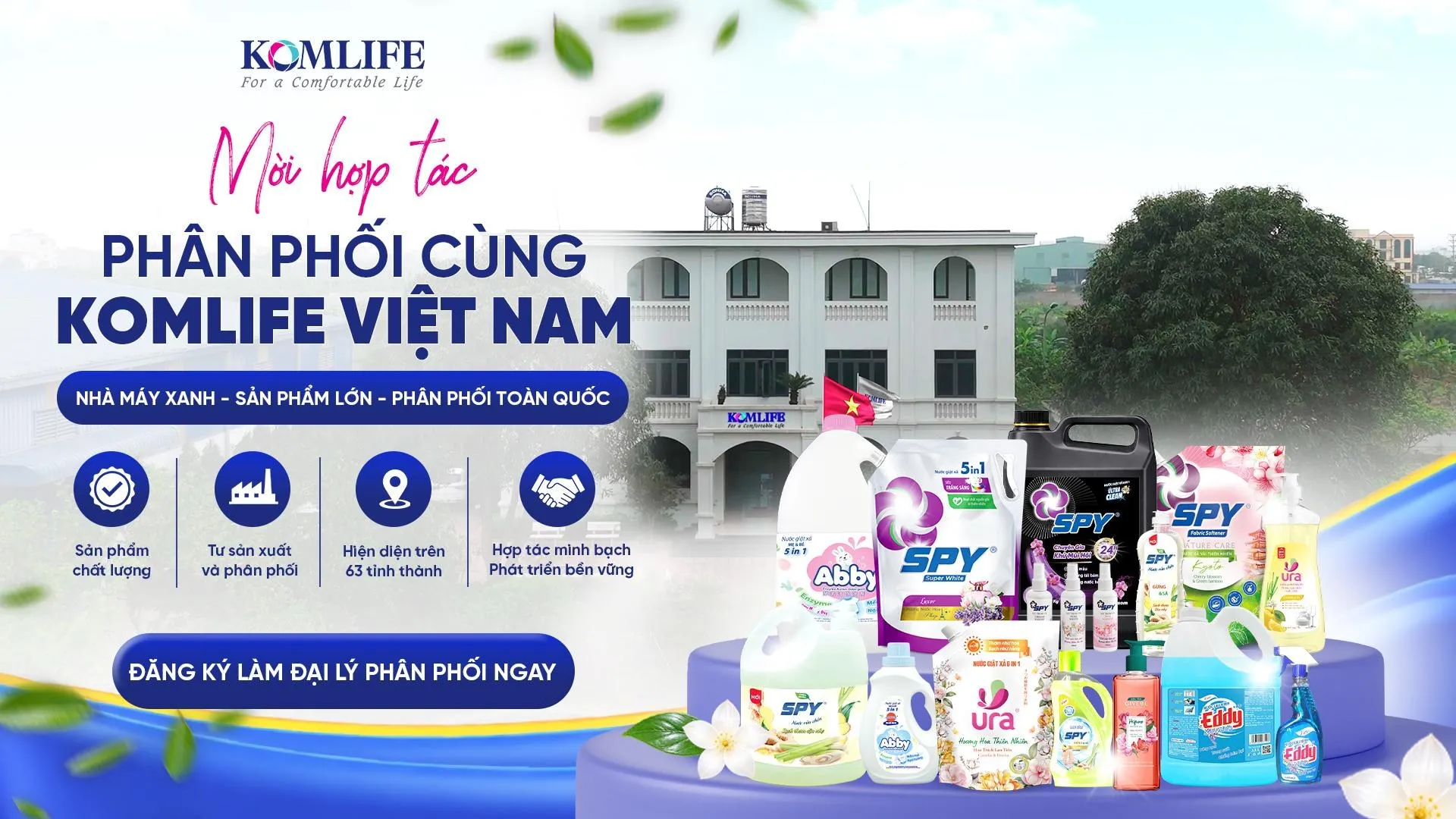
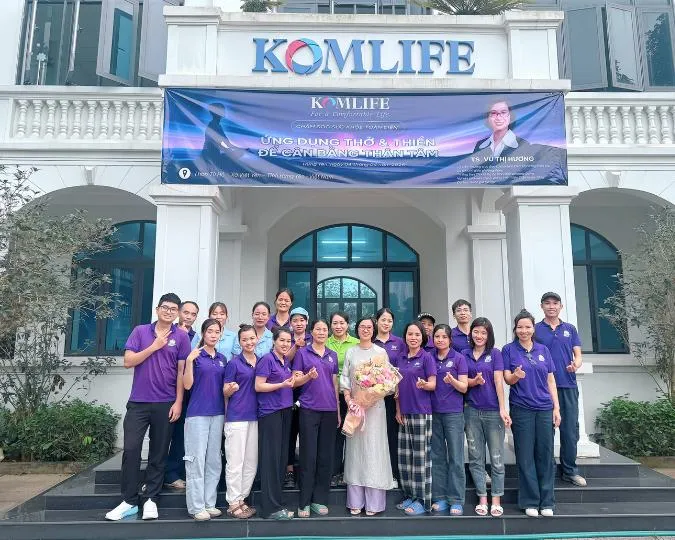
Komlife offers OEM/ODM laundry detergent and 2-in-1 laundry liquid manufacturing as well as fabric softener, dishwashing liquid, floor cleaner and shower gel and shampoo. Products are made at our 20,000 m² factory in Hung Yen, on the same lines that produce SPY, URA, Abby, Givebe and Eddy.
Read next: Private label laundry detergent: a 5-step process
Reviewed by: Vu Hoang Nam
← More company news