
Your own fabric softener brand: 5 choices on scent, concentration and packaging
With laundry detergent, customers look at how clean their clothes are. With fabric softener, they choose with their nose: how the laundry smells, and for how long after drying. So when you develop a private label fabric softener, your fragrance decisions largely decide whether customers come back.
Here are five choices to settle with your manufacturer.
1. Fragrance family and how long it lasts
- Fragrance family: floral (rose, jasmine, lavender), perfume-style, fresh, woody. Choose for your target customer: families with young children, young adults, people who like strong or light scents.
- Scent longevity: depends on the type and level of fragrance. Some formulas add scent beads (microcapsules) that release fragrance when fabric rubs, a good fit for a “long-lasting scent” positioning.
- Test for real before you decide: wash cotton and blended fabrics, dry them, and smell them after one day and after several days. Don’t judge from the bottle alone.
Start with 1–2 core scents and add more once you have real sales.
2. Concentration and dosage
- Regular softener uses a larger dose per wash; concentrated softener uses less, so a smaller bottle covers the same number of washes.
- The dose on your label must match the formula. Too low and customers find it doesn’t smell; too high and they feel it runs out fast.
- Viscosity also shapes perception: many shoppers read a “thick” softener as a “rich” one, so this is partly a marketing choice too.
3. Colour and appearance
Softener colours usually match the scent: pink for floral, purple for lavender, blue or green for fresh. Colour must be consistent between batches, so agree on a reference sample for colour from the start.
4. Packaging by sales channel
| Channel | Typical packaging |
|---|---|
| Online marketplaces | Refill pouches, mid-size jugs that ship easily |
| Supermarkets and stores | Bottles, handled jugs, a label that stands out on shelf |
| Laundromats and hotels | Large jugs, focus on cost per wash |
Using stock bottles, jugs and pouches lowers your capital and shortens lead time; stand out through label and colour.
5. What your label can say
Your label needs all mandatory information under the labelling rules of your market (product name, net content, ingredients, directions, production date, lot number, responsible company and so on). For performance claims, the safe rule is: only claim what the product does and what you can support with test results. Hygiene- or skin-related claims need proper test documentation before they go on pack. An overstated claim can force you to reprint a whole run of packaging.
Fabric softener or 2-in-1 detergent with softener?
If your customers value convenience, a 2-in-1 detergent with softener is a simple choice. If they value scent and softness, a separate softener gives a clearer experience. Many brands offer both and use the same signature scent so customers recognise it.
Fabric softener manufacturing at Komlife
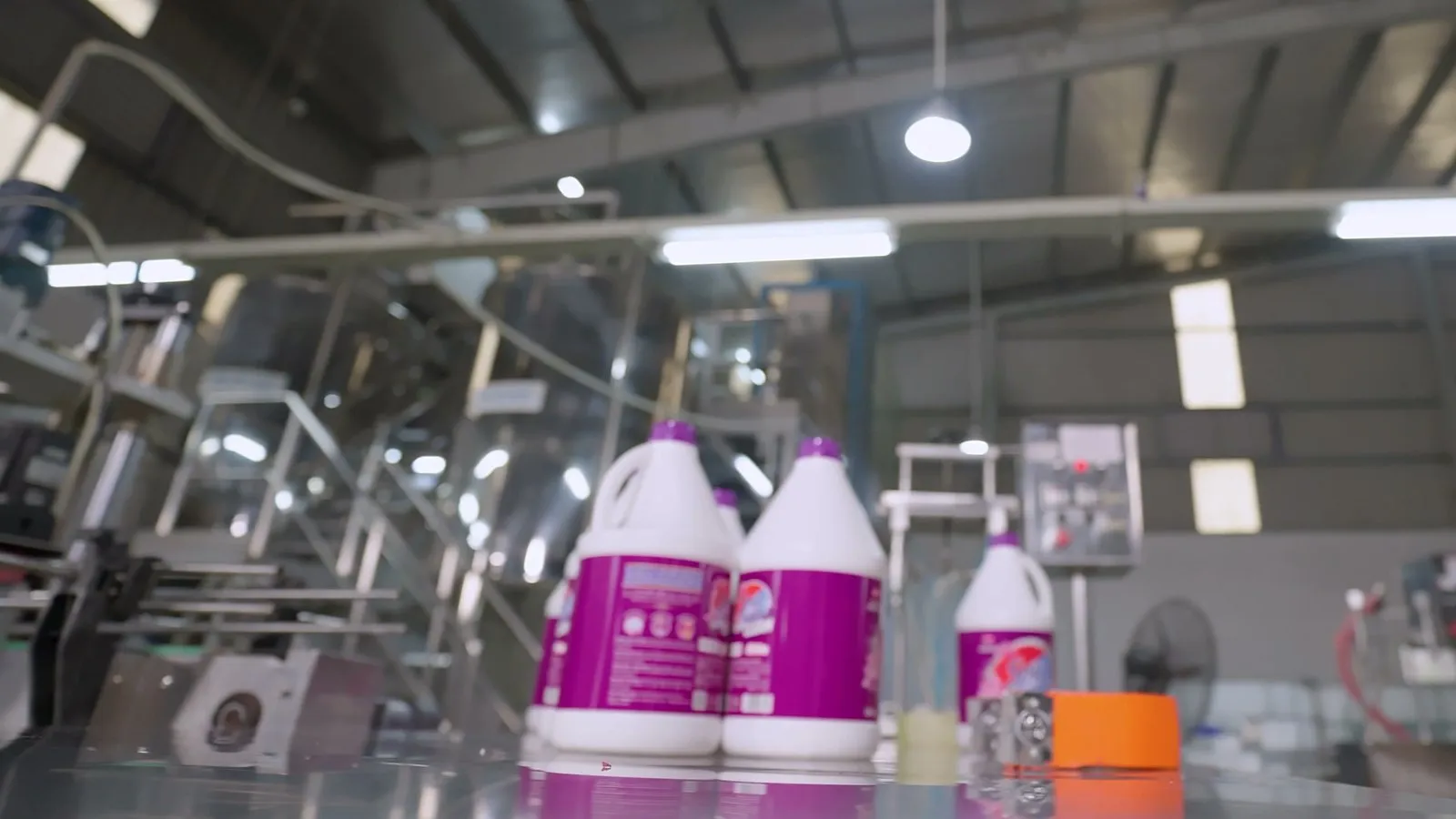
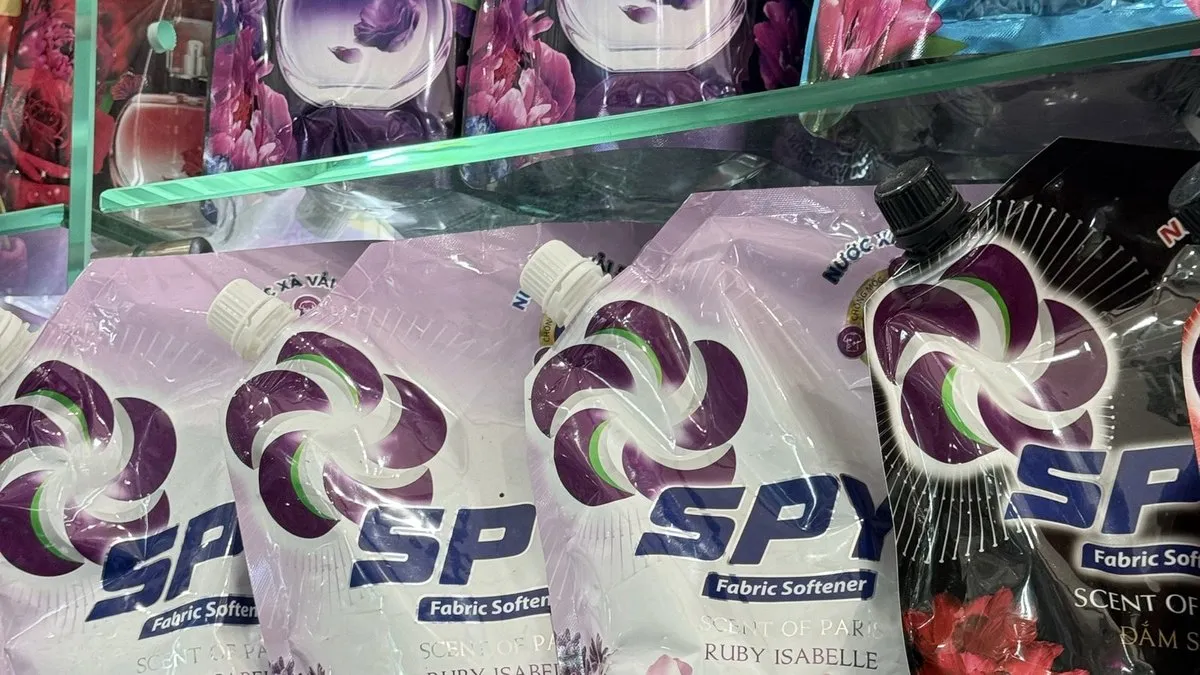
Komlife’s factory in Hung Yen, northern Vietnam, makes SPY 5-in-1 fabric softener (with scent beads) and SPY Nature Care. You can choose an existing formula (OEM) or have a custom scent developed (ODM), and try samples before you commit. See Fabric softener manufacturing or send us your request.
Read more: What determines contract manufacturing prices for laundry detergent? · Packaging for private label laundry detergent: jug, bottle or pouch? Choose by sales channel and shipping
Reviewed by: Vu Hoang Nam, Head of Marketing
← More company news