
What paperwork do you need to make laundry detergent in Vietnam? Procedures for your own factory vs contract manufacturing
Quick answer: the paperwork falls into two parts. Production conditions (factory, chemicals, environment, fire safety) only apply if you build your own factory. Product and brand paperwork (quality standards, product labels, trademark registration, invoices when selling) is always the brand owner’s job, even with contract manufacturing. Rules on chemicals and the environment change quite often, so before investing, check with the provincial Department of Industry and Trade, the Department of Agriculture and Environment where the factory will be, or a legal adviser.
This article summarises the common groups of tasks to help businesses prepare; it is not legal advice. Specific requirements depend on the product’s ingredients, the size of the factory and the regulations in force when you file.
Part 1: production conditions (if you build your own factory)
Business registration
Register a company or household business with a suitable manufacturing activity (manufacture of detergents and household chemicals). The registered activity must match what you will actually do.
Chemical raw materials
Laundry detergent uses surfactants, pH adjusters, preservatives, fragrances and more. Some chemicals are on lists that require conditions for production and trading, or are restricted under the Law on Chemicals and its guiding documents. What to do:
- Draw up a list of raw materials with the safety data sheets (SDS) from suppliers.
- Check them against the current chemical lists and ask the Department of Industry and Trade about any controlled chemicals.
- Prepare storage, a technical manager and chemical safety training for workers where required.
Environment
A factory produces wastewater from tank cleaning, chemical packaging and solid waste. Depending on size and type, it may need an environmental registration or an environmental permit under the Law on Environmental Protection, plus a wastewater treatment plan and a waste collection contract.
Fire safety
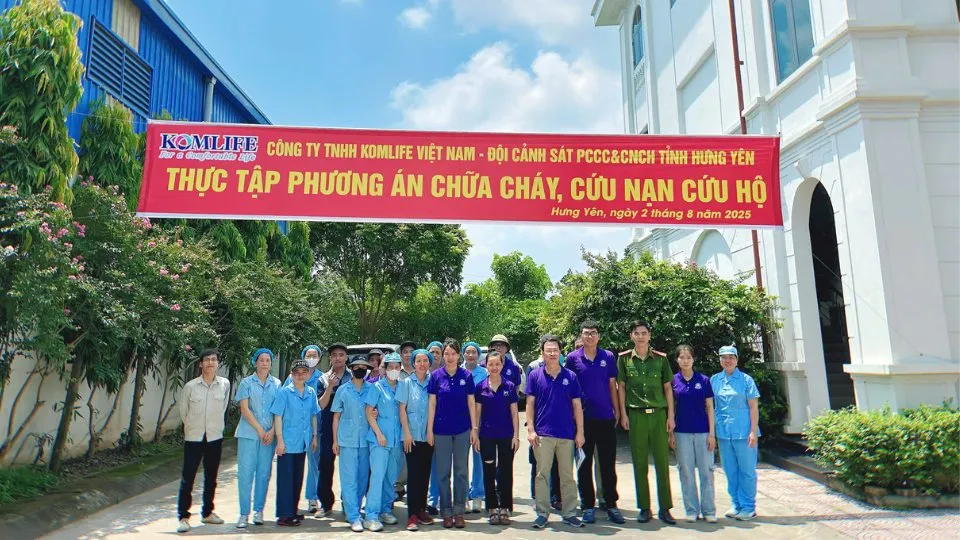
Fragrances, some solvents and stores of plastic packaging are fire risks. The factory must meet fire prevention and fighting regulations: design, firefighting equipment, an emergency plan and staff training.
Part 2: product and brand (always required)
Quality standards
The business drafts and announces an in-house (enterprise) standard for the product (parameters such as surfactant content, pH and appearance) and has samples tested by a laboratory for reference results. Some cleaning products have a national standard (TCVN) for reference, for example TCVN 6971:2001 for kitchen washing-up liquids.
Product labels
Labels must follow Decree 43/2017/ND-CP on product labelling, as amended by Decree 111/2021/ND-CP. For laundry detergent, a label usually needs:
- Product name; name and address of the organisation responsible for the product.
- Origin; net quantity (weight or volume).
- Production date and expiry date (or as the rules allow).
- Ingredients; warnings; directions for use and storage.
Check the label design against the current rules before printing: reprinting packaging costs far more than fixing a file.
Claims on the label
Claiming that a product destroys microorganisms (bacteria, fungi and so on) can move it into a category of preparations with separate procedures managed by the health authorities. Sweeping or “better than all others” claims also need evidence. Only state claims you can document.
Trademark
File a trademark application with the Intellectual Property Office as early as possible, before printing packaging in volume, and search first to avoid clashing with existing marks.
Selling
- E-invoices when selling to dealers and supermarkets.
- Barcodes if you sell through supermarkets and chains.
- Supermarkets and e-commerce platforms often ask for standards, test reports and trademark documents when listing a product.
What changes with contract manufacturing?
| Task | Own factory | Contract manufacturing |
|---|---|---|
| Registering a manufacturing activity | You | The factory already has it |
| Chemical, environmental and fire safety conditions for the factory | You | The factory meets them |
| Quality standards, product testing | You | Agreed with the factory |
| Product label | You | You are responsible; the factory supplies technical information |
| Trademark registration | You | You |
| Invoices and barcodes when selling | You | You |
When talking to a contract manufacturer, ask exactly which documents they help with (test reports, ingredient information for the label, enterprise standards and so on) and write it into the contract. See also: Build your own detergent factory or use a contract manufacturer?
Contract manufacturing at Komlife
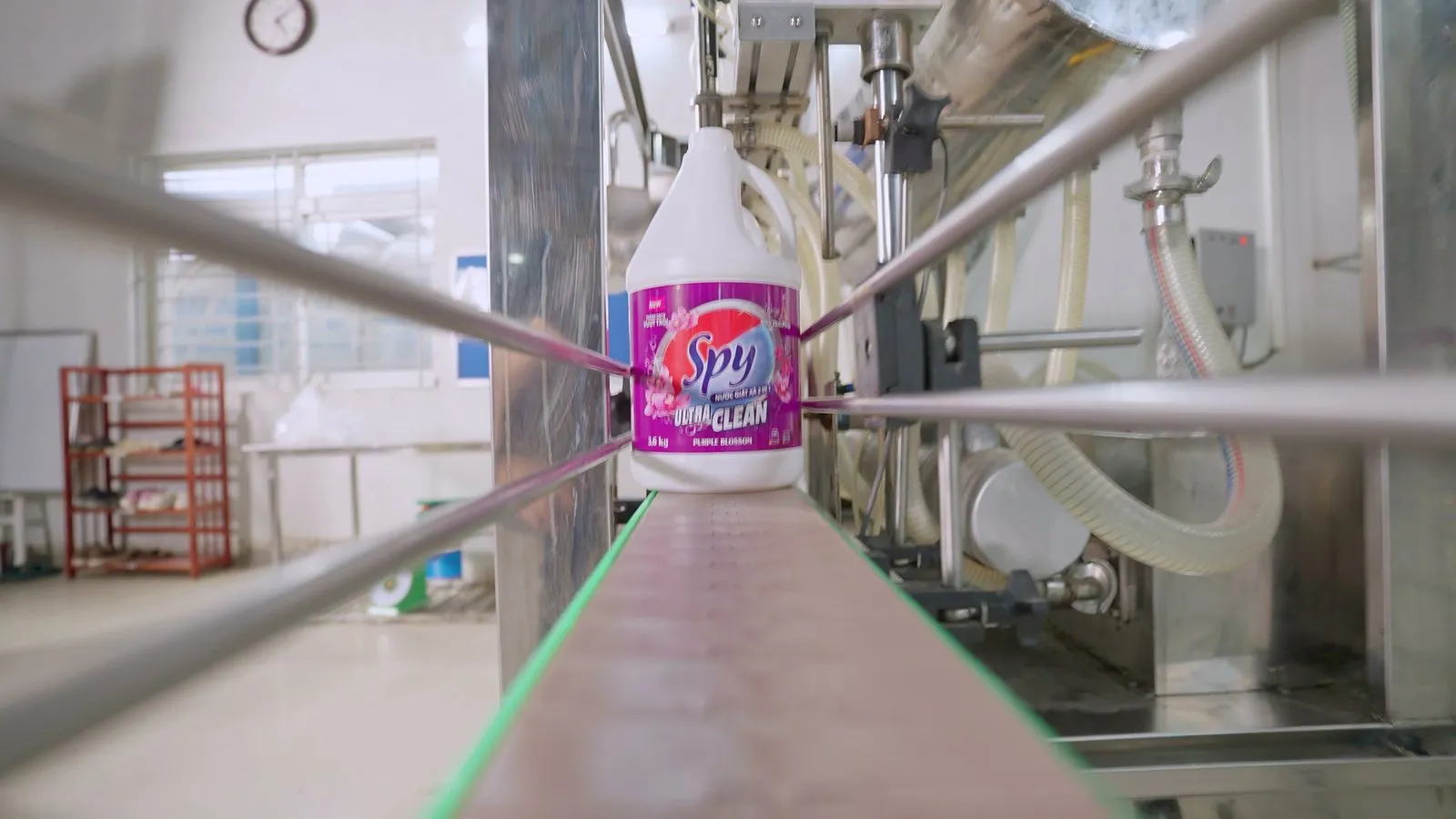
Komlife’s 20,000 m² factory in Hung Yen makes our five brands SPY, URA, Abby, Givebe and Eddy. At the “Packaging and documents” step, both sides agree the bottles, cans, labels and the documents needed before production. See the process and get in touch on the OEM/ODM manufacturing page.
Read more: What drives the price of contract-made laundry detergent? · What is contract-made laundry detergent? · Private-label detergent labels: what must they include?
Reviewed by: Vu Hoang Nam, Head of Marketing
← More company news