
Is selling laundry detergent online profitable? 6 lessons from real order data
Quick answer: selling laundry detergent online can be profitable if you build marketplace fees, shipping heavy goods, returns and advertising into your cost of goods, and sell what online buyers want: large jugs and pouches, delivered without leaks. Komlife’s real order data points to a few things worth knowing before you open a store.
The figures below come from Komlife’s online order report, January to October 2026, covering Komlife’s official marketplace stores, with most orders delivered in northern Vietnam. These are Komlife customers, not the whole market.
1. Sell large jugs, not small bottles
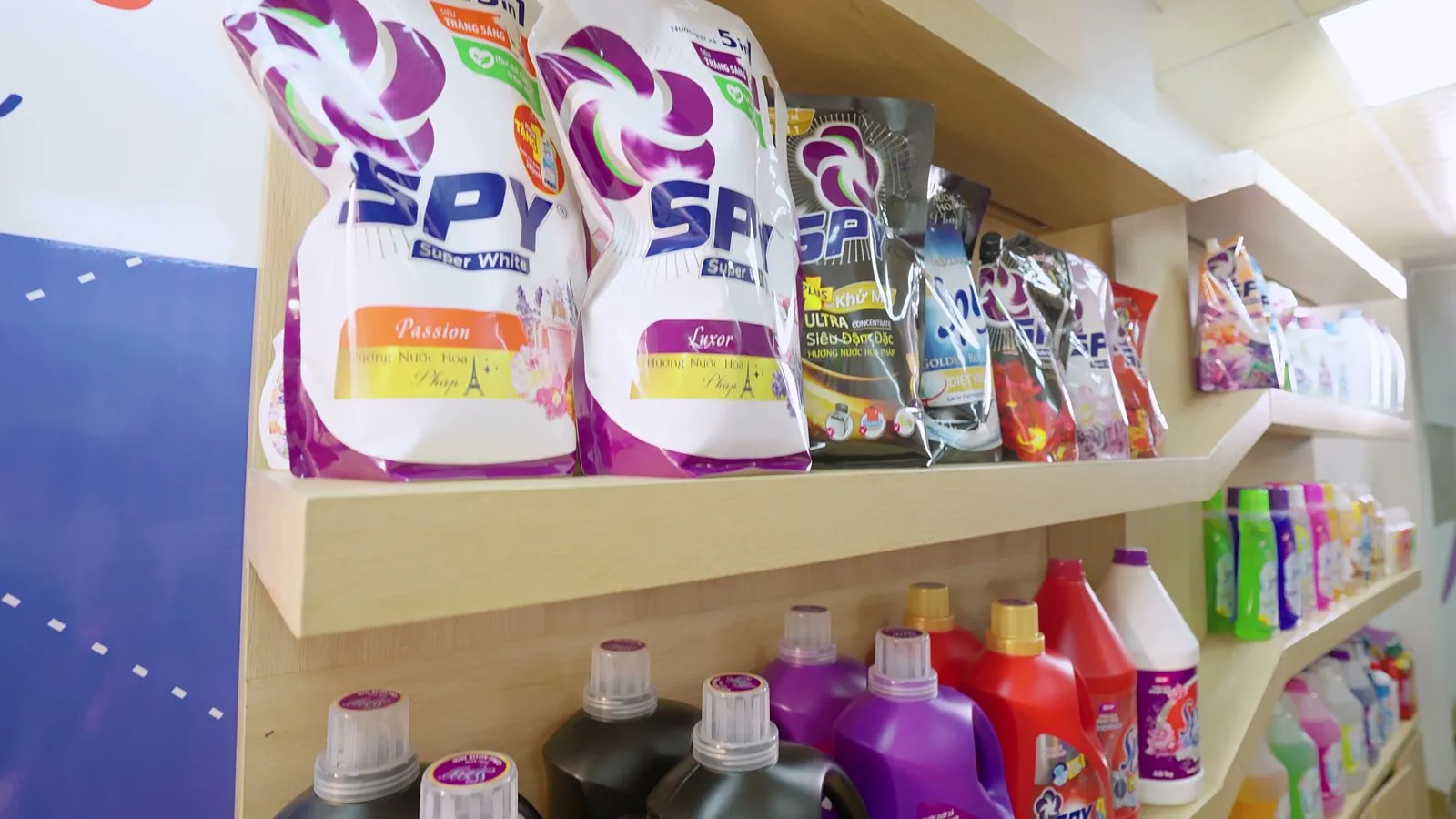
Around 9 in 10 units of laundry detergent sold were jugs or pouches of 3 kg or more. Online buyers get delivery to the door, so they don’t mind carrying, and one jug lasts a long time.
For sellers, large jugs have another advantage: higher order value, while packing and handling costs stay about the same. Small bottles work better as add-ons or trial sizes than as single-item orders.
2. Detergent drives orders
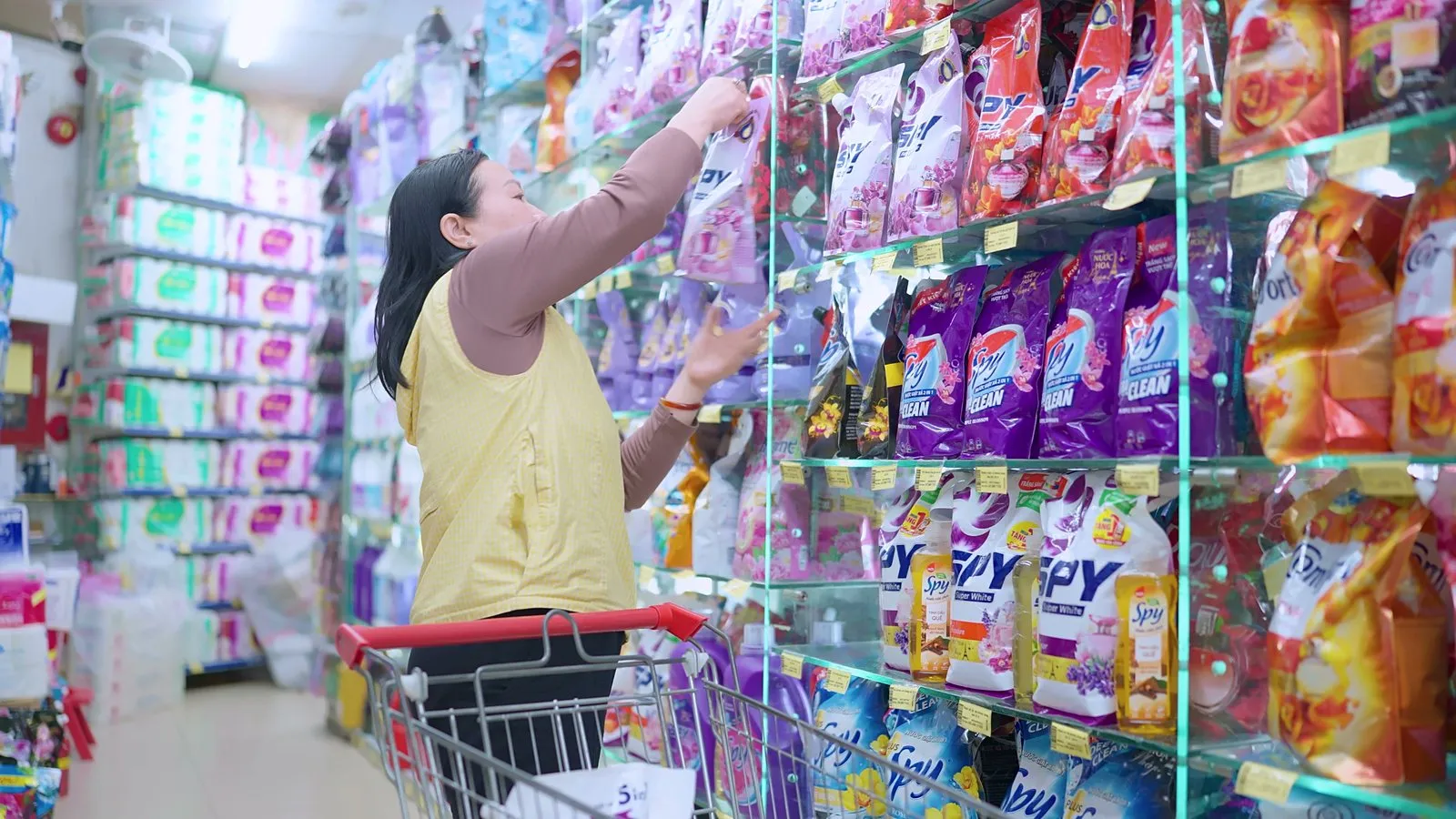
7 in 10 orders include laundry detergent or detergent with softener, followed by dishwashing liquid (14%), separate fabric softener (7%) and fabric spray (5%). Detergent should be your main product; the others help raise order value through bundles.
3. Two ordering peaks
Orders peak at 9am–12pm and 8–11pm, with nearly a third placed after 6pm. That suggests when to run ads, go live and staff your chat.
4. Low at Tết, back in March
With January as 100, the Tết month drops to 65 and March rises to 132. Sellers should stock less before Tết and save ad budget for after Tết, when many households restock.
5. Most orders are cash on delivery
About two thirds of orders are paid on delivery (COD). That means:
- Cash comes in later, so you need working capital for goods in transit.
- There is a risk of refused deliveries: outbound and return shipping become costs.
- Confirming orders carefully and describing pack sizes clearly reduces returns.
6. In cold, damp months, odour-control detergent sells more
The share of orders with odour-control detergent in January–February was about 3 times that in May–June, matching the cold, damp season in northern Vietnam. Sellers can prepare stock and seasonal content from the end of the year.
Costs to account for
Profit or loss online depends on costs beyond the purchase price:
- Marketplace fees: fixed fees, payment fees and service fees on each platform.
- Shipping: detergent is heavy, and 3.6–5.2 kg jugs cost far more to ship than most items.
- Returns from refused or leaking deliveries.
- Ads, promotions and gifts to win orders.
- Leak-proof packing: induction seals, bags, carton fillers. See laundry detergent packaging: jug, bottle or pouch?
Build a cost sheet for each pack size with all these items before setting your price.
Resell or build your own label?
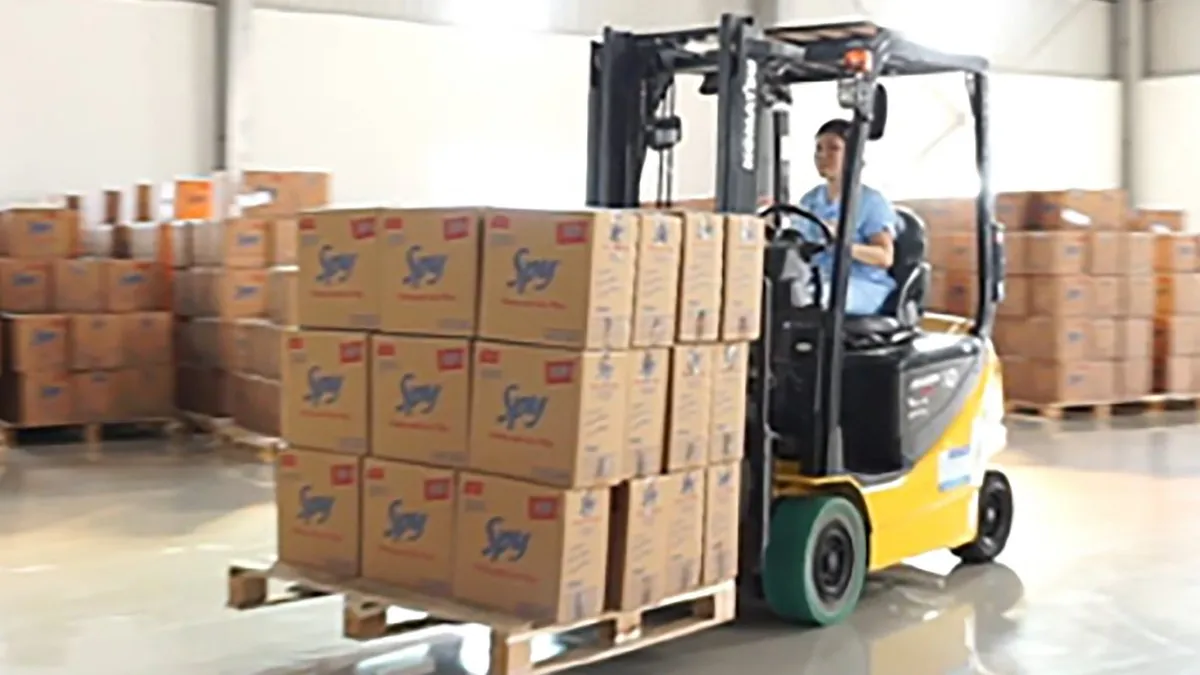
- Resell existing brands: buy SPY, URA and Abby direct from the factory through our distributor programme, with no brand investment.
- Your own label: control your price and brand, but you need capital for packaging, documents and building a name. See OEM vs ODM: what’s the difference? and OEM/ODM manufacturing at Komlife.
Read more: Starting a laundry detergent business · Wholesale laundry detergent direct from the factory · Buying laundry detergent from a northern Vietnam factory
Reviewed by: Vu Hoang Nam, Head of Marketing
← More company news